



Spring storms don’t just slow down construction; they create some of the year’s most dangerous and costly jobsite hazards. Heavy rain, mud, and debris can quickly turn an organized construction site into a slippery, damage-prone environment.
From slip-and-fall risks to expensive surface repairs, the impact adds up fast.
The good news: most weather-related construction site hazards are preventable with proper planning and the right surface protection solutions.
The Biggest Jobsite Hazards Caused by Spring Storms
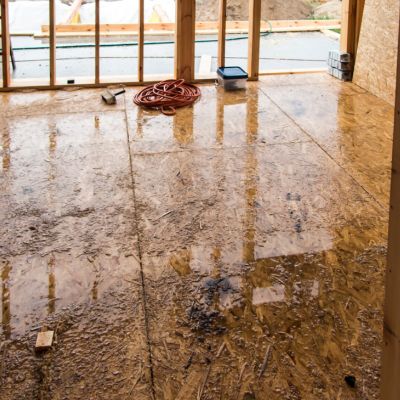
1. Mud & Slippery Walkways
Rain turns high-traffic areas into mud zones, increasing the risk of slips, trips, and falls.
- Slip and fall hazards
- Unsafe access points (trailers, ramps, entryways)
- Lost productivity due to difficult movement
2. Water Damage to Finished Surfaces
As projects near completion, exposed materials become highly vulnerable to moisture damage.
- Flooring stains and warping
- Water intrusion on wood or laminate
- Damage to adhesives and coatings
Even minor exposure can lead to costly repairs or replacements.
3. Debris Tracking and Contamination
Mud and debris don’t stay contained; they spread throughout the jobsite.
- Jobsite trailers
- Interior floors
- Stairwells
- Finished spaces
This leads to increased cleanup and a higher risk of permanent surface damage.
4. Equipment and Material Damage
Wet conditions can reduce efficiency and damage critical materials.
- Stored materials exposed to moisture
- Concrete surfaces under heavy traffic
- Reduced equipment mobility and stability
The Hidden Costs of Storm-Related Jobsite Issues
Spring weather doesn’t just create inconvenience; it directly impacts your bottom line.
- Increased labor costs (cleanup and rework)
- Project delays and downtime
- Expanded punch lists
- Higher risk of injury claims
In most cases, the cost of prevention is far lower than the cost of repair.
How to Prevent Jobsite Hazards from Spring Storms
1. Create Safe, Stable Walkways
Install temporary walkway systems in high-traffic areas to improve jobsite safety and keep projects moving.
- Prevent mud buildup
- Provide slip-resistant surfaces
- Allow water and debris to pass through
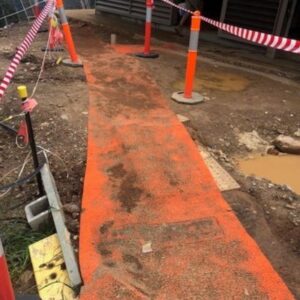
Skudo All Terrain Mat
👉 Recommended solution: Skudo All-Terrain Mat
Designed specifically for wet and muddy conditions, this reusable mat creates a stable, slip-resistant walkway while allowing dirt and water to fall through, keeping walking surfaces safer and cleaner.
2. Protect Finished Surfaces from the Start
Don’t wait until the end of the project; protect surfaces as soon as possible to avoid weather-related damage, as well as damage from other construction site traffic.
- Apply protective coverings at the recommended stage
- Use breathable materials where needed
- Ensure protection can handle wet conditions

Skudo HT Commercial Sysrtem
👉 Recommended solutions:
- SkudoBoard for general floor protection
- Skudo BEASTBoard for extreme, high-impact environments
- Skudo HT Commercial System for breathable protection
These solutions create a durable barrier that shields finished surfaces from water, dirt, and jobsite traffic.
3. Control Dirt and Debris at Entry Points
Set up controlled access zones to reduce tracking and contamination.
- Exterior mats or containment areas
- Designated entry and exit paths
- Routine cleaning protocols
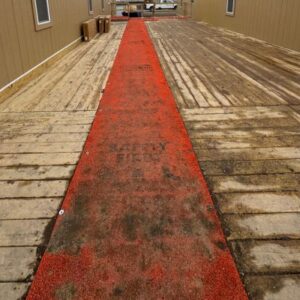
Skudo All-Terrain Mat
👉 Recommended solution: Skudo All-Terrain Mat at entry points
Using matting at transitions helps capture mud before it reaches interior spaces, reducing cleanup and protecting finished floors.
4. Use Heavy-Duty Protection in High-Impact Areas
Areas exposed to heavy use require stronger protection, especially in wet conditions where surfaces are more vulnerable.
- Dumpsters
- Heavy equipment
- Constant traffic
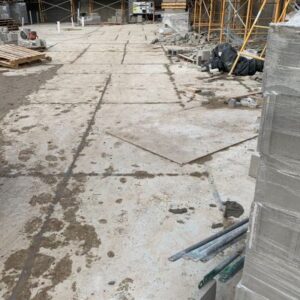
SkudoBoard
👉 Recommended solutions:
- Skudo BEASTBoard for maximum impact resistance
- SkudoBoard for durable, everyday protection
These products are designed to handle extremely heavy loads and prevent damage to concrete and finished surfaces underneath.
Best Practices for Storm-Ready Jobsites
- Monitor weather forecasts and plan ahead
- Identify high-risk areas before storms hit
- Stage protection materials in advance
- Train crews to maintain clean walkways
- Inspect protection regularly during wet conditions
Conclusion
Spring storms are unpredictable, but jobsite damage and safety risks don’t have to be.
With the right combination of planning and temporary surface protection, you can keep your construction site safer, cleaner, and on schedule, no matter what the weather brings.
Keep your jobsite moving, even in wet conditions.
Explore Skudo’s full line of solutions designed to handle mud, moisture, and heavy traffic by clicking HERE.
Ready to get protected? Contact Skudo today!